A D-Block Metal’s Role in Fueling the Hydrogen Revolution
Date
This video shows gas bubbles being produced by water electrolysis using a new mixed cobalt manganese electrocatalyst. Unlike current standard methods, this catalyst is not made from rare-earth metals, making it a more sustainable option.
Source: www.Riken.jp
RIKEN
Japan’s Seabed Discovery Could Supercharge Green Hydrogen and Revolutionize Metal Recycling
Japan has taken a monumental step toward a carbon-neutral future, and manganese is at the heart of the breakthrough. With over $107 billion invested in green hydrogen initiatives, the nation’s scientists have unveiled a new manganese-cobalt oxide catalyst that could slash global reliance on scarce, costly metals like iridium and platinum.
This innovation, backed by a discovery of vast manganese-rich nodules off Minami-Tori-shima island, promises not only a cleaner fuel future but also a dramatic shift in the economics and sustainability of metal recycling worldwide.
A Stable, High-Performance Catalyst
At the RIKEN Center for Sustainable Resource Science, chemists have developed an electrocatalyst composed of manganese and cobalt oxides that overcomes a key obstacle in green hydrogen production: acidic stability.
Hydrogen, when produced through electrolytic water-splitting, requires catalysts that can withstand harsh acidic environments. Until now, this meant using ultra-rare metals like iridium. But manganese, an abundant transition metal found in the d-block of the periodic table, brings the durability needed for sustained performance in acid, while cobalt contributes high catalytic activity.
This manganese-cobalt oxide catalyst demonstrated more than two months of stable performance, a 100-fold improvement over previous iridium-free alternatives.
Hydrogen’s Seafloor Foundation
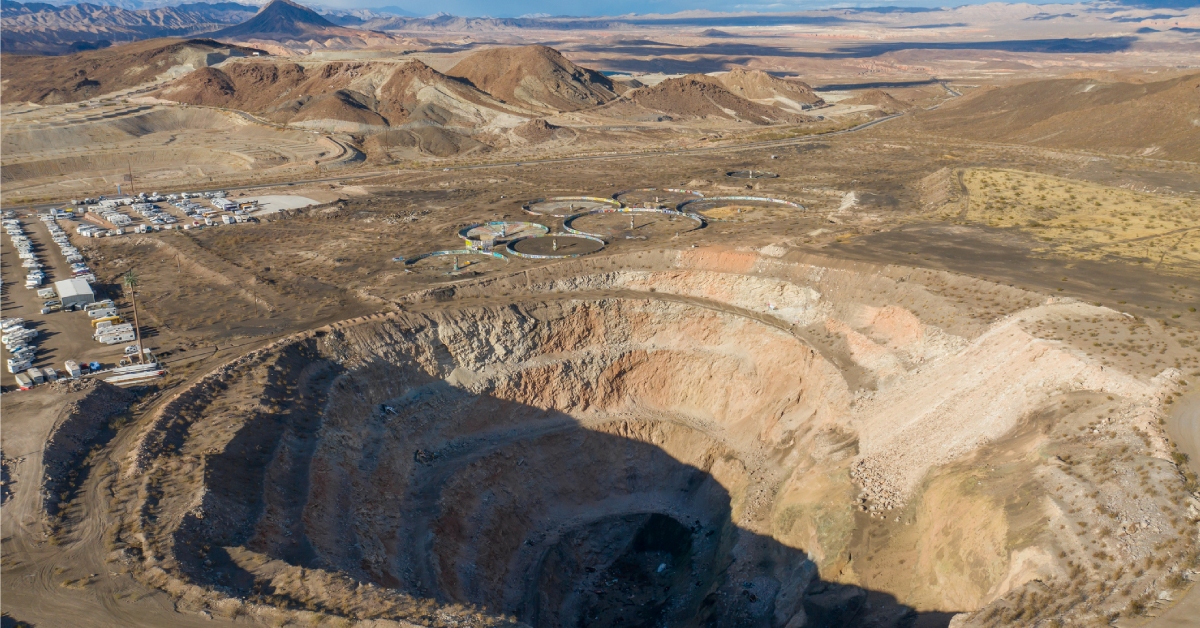
Japan’s commitment to hydrogen energy isn’t just technological, it’s geological. A massive field of manganese nodules was discovered 5,700 meters below sea level near Minami-Tori-shima. These nodules, formed over millions of years, contain cobalt, nickel, copper, and manganese which is a metallic cocktail vital for both clean energy and electric vehicles.
With 610,000 metric tons of cobalt and 740,000 tons of nickel, the deposit is valued at over $26 billion at current market rates and already recouping a significant portion of Japan’s hydrogen investment.
Green Hydrogen, Greener Industry
Hydrogen derived from renewable sources (often called green hydrogen) emits no greenhouse gases and can be combusted or used in fuel cells with only water as the byproduct. When scaled, it could replace fossil fuels in industrial applications ranging from steelmaking to ammonia production.
The International Renewable Energy Agency calls green hydrogen a “game-changer on the path to carbon neutrality,” and manganese may be the metal that makes that promise financially and logistically viable.
Recycling’s Role in a Post-Iridium World
With the discovery of an affordable, stable, iridium-free catalyst, the metal recycling industry stands to benefit in several ways:
- Increased demand for recycled manganese and cobalt from electronics and batteries.
- Declining reliance on virgin rare metals opens up new market opportunities for recovered materials.
- Manufacturers seeking supply chain resilience may turn to recycled alternatives for catalysts and battery components.
A Path Toward Terawatts
As Nobel Laureate Richard Smalley envisioned, a world powered by terawatts of renewable energy may hinge on scalable solutions like this. Even a 1% improvement in catalyst efficiency at industrial scale could save 88 billion kilowatt-hours annually and reduce carbon dioxide emissions by 34 million tons.
RIKEN researchers continue refining their catalyst and membrane designs, hoping to extend lifespans and reduce costs further.
At D Block Metals, we believe manganese is no longer just another industrial metal. It could help build the foundation of a cleaner, smarter energy future.