Policy Shift Could Slow Demand for Recycled Precious Metals
The recent rollback of federal clean energy tax credits has sent ripples through renewable energy markets, automotive innovation, and perhaps less visibly but just as critically, the precious metals recycling industry. For recyclers like D Block Metals, which specialize in the reclamation and resale of rare and valuable elements such as Rhodium, Platinum, Silver, Gold, Tantalum, Hafnium, and other elements found in the D-Block of the periodic table, the policy shift could reshape both sourcing and demand patterns in the years ahead.
Understanding the Policy Shift
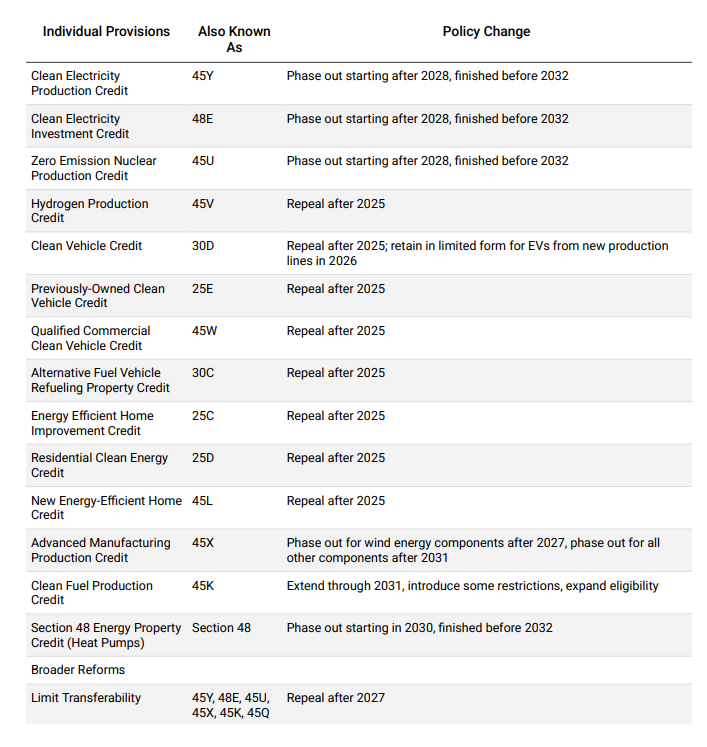
In late 2025, portions of the Inflation Reduction Act’s clean energy provisions were curtailed or delayed due to shifting political priorities and budget negotiations. This rollback reduced or eliminated certain tax incentives for:
- Electric vehicles (EVs)
- Renewable energy storage systems
- Solar and wind energy infrastructure
- Hydrogen fuel cell development
These sectors are major consumers of precious metals due to their conductivity, corrosion resistance, and catalytic properties.
Why This Matters to Metal Recyclers
Many of the materials used in clean energy systems and EVs such as Platinum and Rhodium in catalytic converters or Silver and Gold in circuitry are expensive, difficult to mine, and environmentally costly to extract. Recycling offers an efficient and sustainable way to keep these critical metals in circulation.
The rollback poses risks in two key ways:
Slowing Downstream Demand
Reduced federal incentives could lower production volumes of EVs, fuel cells, and renewable systems, shrinking the end-market demand for metals like:
- Rhodium and platinum (used in catalytic and hydrogen fuel systems)
- Tantalum and hafnium (for high-temperature capacitors and aerospace alloys)
- Silver and gold (in solar panels and microelectronics)
Less demand can reduce commodity pricing, which affects resale values and margins for recyclers.
Disrupting the Circular Supply Chain
With fewer clean energy products being manufactured, fewer recyclable components (e.g., end-of-life EV batteries, solar panels, or fuel stacks) will enter the scrap stream in the years ahead. This could reduce the volume of high-value feedstock available to metal recyclers.
Strategic Metals Remain Essential and Valuable
Despite the policy change, demand for strategic and precious metals isn’t disappearing. Industrial sectors like defense, aerospace, telecommunications, and semiconductors continue to rely heavily on strategic metals. In fact:
- Tantalum is still vital in capacitors
- Hafnium remains critical in jet engine alloys and nuclear rods
- Platinum group metals (PGMs) still underpin automotive and chemical catalyst industries
D Block Metals continues to see long-term value in building a sustainable circular economy for these materials.
Recyclers Must Stay Nimble
While clean energy rollbacks may pose headwinds, recyclers who adapt quickly by diversifying sourcing streams, expanding recovery capabilities, and tracking international policy shifts, can continue to thrive.
At D Block Metals, we’re engineering and investing in advanced material separation, better traceability, and industry partnerships to ensure we remain a reliable source for precious and strategic metals, regardless of short-term policy volatility.
The rollback is a challenge, but the circular economy remains vital and resilient. For recyclers of rare and precious metals, the path forward lies in innovation and long-view thinking. As the world continues to digitize, electrify, and modernize, D-Block elements will remain central and so will the recyclers who keep them moving.