Revolutionizing Gold Extraction
At D Block Metals, we’re always monitoring technological breakthroughs that improve the efficiency and sustainability of metal recovery. One of the most promising recent developments comes from scientists at Australia’s national science agency, CSIRO, who have introduced an innovative process called Sustainable Gold Cyanidation Technology. This method is designed to recover more gold while recycling toxic cyanide used in mining.
This breakthrough represents an important step toward cleaner, more responsible gold extraction.
How Cyanide Is Used in Gold Mining
For decades, cyanide has been the most common chemical used in gold mining. It effectively binds with gold and separates it from the surrounding ore. But it also poses serious environmental and public health risks when mishandled.
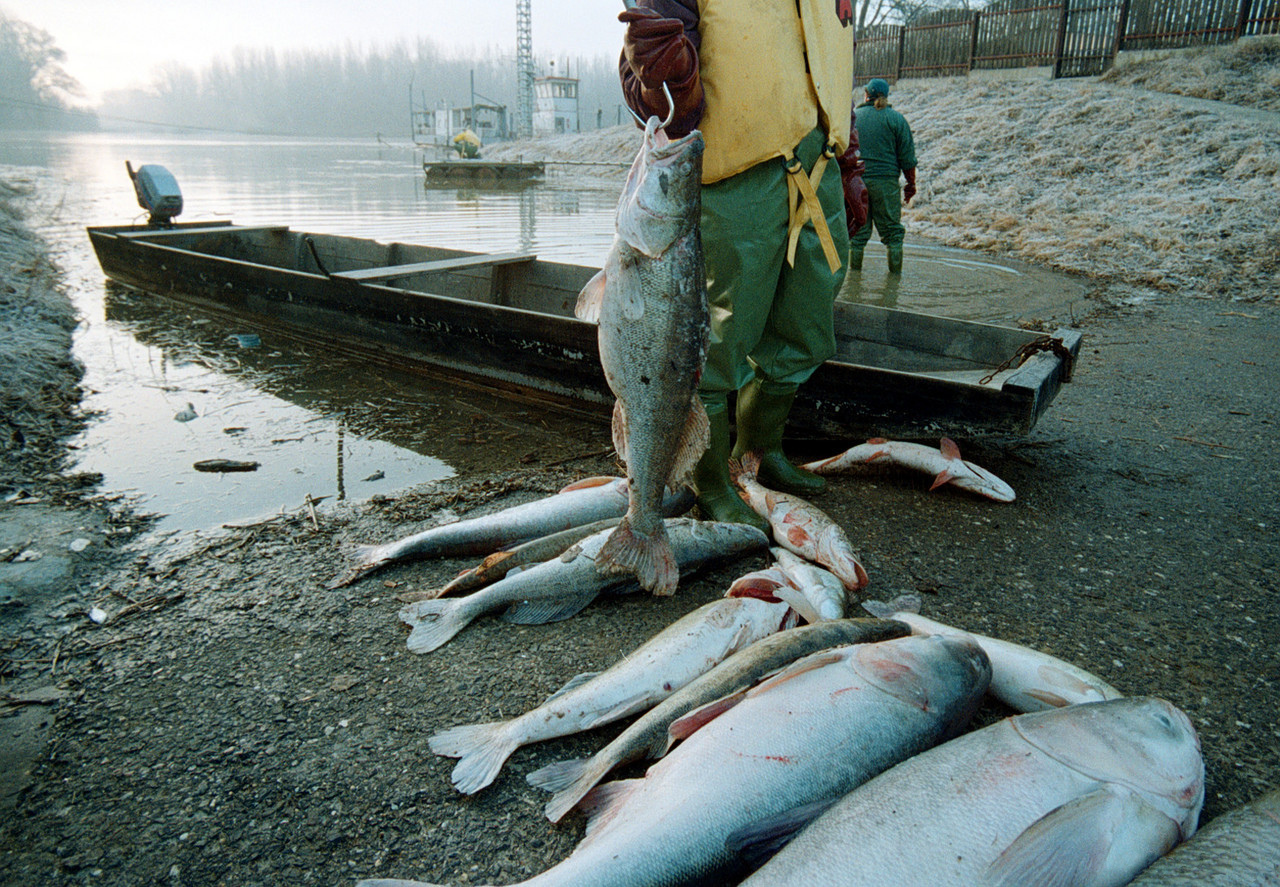
Since the 1970s, accidental spills and improper waste management have resulted in water contamination and ecological damage, including the 2000 tailings dam failure at the Aural Gold Mine in Romania, which released cyanide-contaminated waste into the Tisza and Danube Rivers.
Traditionally, mining operations attempt to neutralize leftover cyanide in tailings ponds before disposal. However, this approach doesn’t recover the cyanide or the trace metals that often remain in the waste stream.
CSIRO’s Sustainable Gold Cyanidation Technology
CSIRO’s new process is changing the game.
According to researchers Dr. Paul Breuer and Dr. Xianwen Dai, the technology enables recovery of cyanide and other toxic compounds along with additional base metals and soluble gold that typically remain unrecovered in conventional cyanidation tailings.
By recycling cyanide rather than destroying it, this method:
- Reduces the need for new cyanide production and transport, lowering both cost and risk.
- Improves gold yield by recovering metal that standard methods leave behind.
- Minimizes environmental impact, keeping harmful compounds out of water and soil.
The process has successfully completed a month-long pilot at lab scale and is now being prepared for larger field demonstrations, where its economic and environmental potential will be evaluated under real-world mining conditions.
A Step Toward Sustainable Mining
This is not CSIRO’s first major advance in responsible gold recovery.
In 2014, Dr. Breuer’s team created “Going for Gold”, a cyanide-free extraction process that used the non-toxic chemical thiosulphate instead. That project was later commercialized by Clean Mining, proving that greener, more efficient extraction is possible at scale.
Now, with the new Sustainable Gold Cyanidation Technology, CSIRO is bridging the gap between performance and responsibility by showing that the gold industry can be both profitable and environmentally conscious.
What This Means for the Metals Industry
Developments like this reinforce the importance of continuous innovation in metal recovery and refining.
Recycling cyanide and recovering trace metals from tailings not only protects ecosystems but also makes better use of existing resources, reducing the need for new mining operations.
As sustainability becomes a defining factor in the global metals market, technologies that combine economic efficiency with environmental protection are no longer optional, they’re the future.
Looking Ahead
CSIRO researchers are currently seeking industry partners to help scale up this process to commercial application. If successful, this could redefine the way gold is extracted, handled, and refined. This could usher in a new era of low-waste, high-yield gold production.
At D Block Metals, we’re excited by these advancements and remain committed to working with technologies that improve resource efficiency, reduce waste, and make metal recovery more sustainable for generations to come.