The 1% That Changes Everything
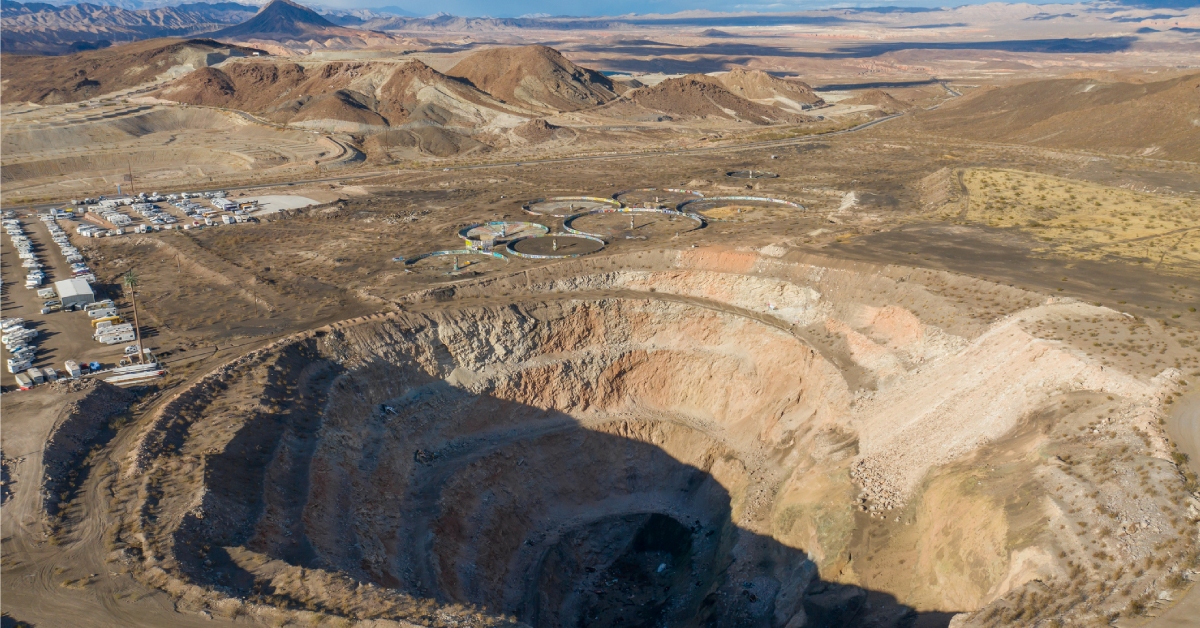
A recent report published in Science highlighted a surprising reality in U.S. mining: valuable metals are being dug up and then thrown away. When mining companies extract primary metals such as gold, copper, and iron, the surrounding rock often contains rare earth elements and other critical minerals. Instead of being captured, these metals are typically discarded in waste piles or tailings facilities.
According to the research, recovering just 1 percent of certain rare earth elements already being unearthed (but not collected) would be enough to replace current U.S. imports. In other words, the United States is already mining a significant portion of the metals we currently buy overseas. We’re just not recovering them.
This finding has major implications for the metal recycling industry, the U.S. supply chain, and the global market for strategic materials.
What This Means for the Metal Recycling Industry
The recycling industry has long played a critical role in reducing dependence on foreign sources of strategic metals. However, rare earth elements (REEs) have always been difficult to recycle because they are used in small quantities across complex products like electronics, EV motors, wind turbines, smartphones, and magnetic assemblies.
If U.S. mining operations begin capturing rare earth by-products at the source, the metal recycling industry could see meaningful shifts:
A Stronger Domestic Supply Chain
If U.S. mining can supply even part of America’s annual rare earth demand, recyclers would have more reliable domestic feedstock to work with. This reduces vulnerability to global supply shock from countries such as China, which currently dominates rare earth refining.
More Efficient Recycling Markets
Once more REEs are captured rather than discarded, recyclers will be able to:
- Source more consistent volumes
- Create standardized recovery processes
- Lower per-unit processing costs
This stabilizes pricing and encourages investment in new recycling infrastructure.
Expansion of Domestic Processing Technologies
Recycling facilities could adopt separation and purification systems typically seen only in primary mining and refining. This would allow recyclers to move further up the value chain by producing battery-ready and magnet-grade materials instead of only recovered metals.
Economic & Strategic Benefits
A more complete U.S. recovery system both in mining and recycling could: