The Impact of the latest U.S. Tariffs on the Metal Recycling Industry
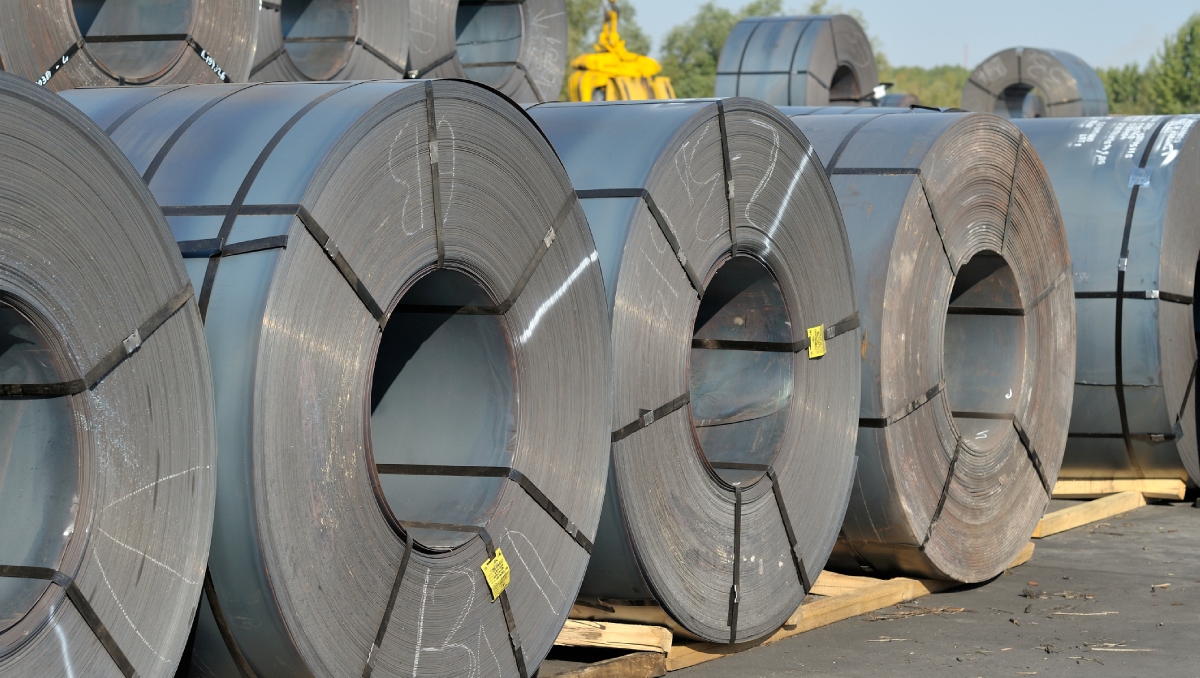
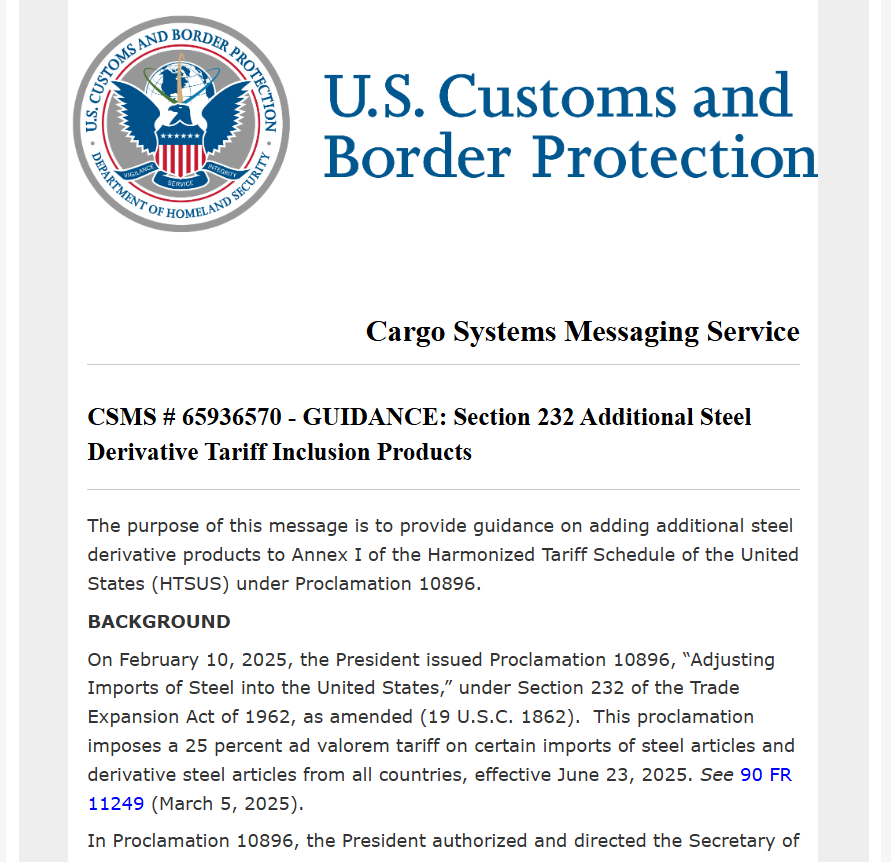
On February 10, 2025, the President issued Proclamation 10896, expanding tariffs on imported steel and derivative steel products under Section 232 of the Trade Expansion Act of 1962. These changes took effect on August 18th, 2025 and they introduce additional duties on a wide range of steel derivative products, significantly altering the landscape for importers, manufacturers, and recyclers alike.
What the New Tariffs Mean
Under the updated rules, derivative iron and steel products face new ad valorem duties (a percentage of the value of the steel content itself):
- 9903.81.90 & 9903.81.91 – 50% tariffs on derivative steel products (all countries except the UK).
- 9903.81.97 & 9903.81.98 – 25% tariffs on certain UK steel derivatives.
- 9903.81.92 – 0% duty only if the steel was melted and poured in the U.S. but later processed abroad.
The tariff system requires importers to specifically report the steel content value apart from other material costs. Importantly, no drawback (refund) of these duties will be available, making them a permanent cost burden.
Why This Matters for the Recycling Industry
At first glance, these tariffs may seem aimed solely at importers and manufacturers, but their ripple effects reach into the metal recycling sector as well.
- Increased Demand for Domestic Scrap Steel
With tariffs raising the cost of foreign derivative steel, manufacturers are incentivized to source more raw material domestically. This creates an opportunity for U.S. based recyclers, as recycled steel is a cost-effective and tariff-free alternative. - Pricing Volatility in Scrap Markets
Higher tariffs mean higher domestic steel prices, which will trickle down to recycled steel pricing. While this may benefit recyclers selling scrap, it could also squeeze manufacturers who rely heavily on recycled feedstock for cost control. - Shift in Trade Flows
Some companies may attempt to circumvent tariffs by importing semi-finished goods or shifting production to tariff-exempt categories. Recyclers should expect more inquiries from domestic mills and manufacturers seeking consistent supply of recycled steel. - Aluminum Industry Watchpoint
Though the current proclamation focuses on steel, aluminum tariffs have historically moved in tandem. Additional measures could further tighten domestic supply chains, potentially boosting demand for recycled aluminum as well.
Challenges Ahead
While tariffs may stimulate domestic recycling demand, recyclers must prepare for:
- Increased Compliance Requirements: The “melt and pour” origin reporting now plays a larger role in determining tariff eligibility.
- Fluctuating Mill Demand: If mills scale back production in response to higher input costs, scrap demand could temporarily soften.
- Export Uncertainty: Other countries may respond with reciprocal tariffs, impacting U.S. scrap exports.
Looking Forward
At D Block Metals, we see these tariffs as a double-edged sword:
On one side, they strengthen the case for domestic recycling, positioning U.S. recyclers as key players in filling the supply gap. On the other, they may create short-term turbulence in pricing and trade flows.
Ultimately, recyclers who adapt quickly, maintain strong supply relationships, and track compliance rules closely will be well-positioned to benefit from these shifts.
The latest Section 232 tariffs underscore the importance of recycling as a strategic domestic resource. With imported steel derivatives facing up to 50% duties, demand for recycled steel and aluminum will likely rise, further cementing the recycling industry’s role in U.S. manufacturing resilience.
At D Block Metals, we will continue to monitor developments, guide our partners through compliance, and ensure that recycled metals remain a reliable, cost-effective solution in this changing trade environment.