NASA’s GRX-810 Superalloy

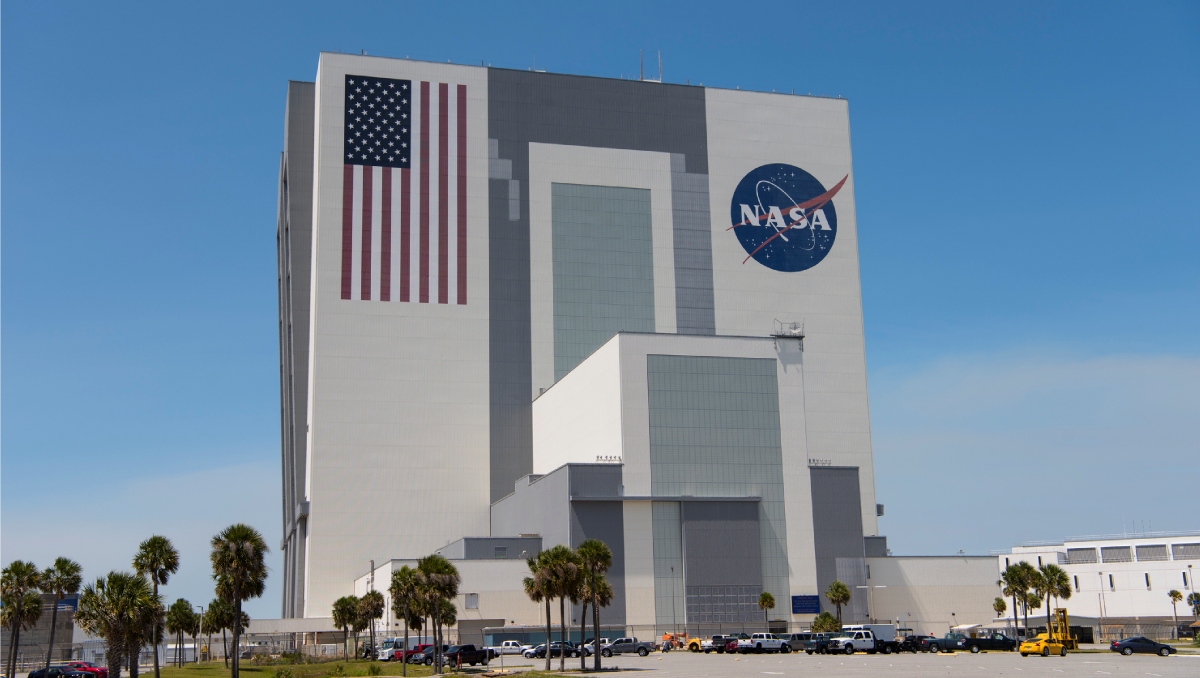
NASA large Vehicle Assembly Building Kennedy Space Center, Florida, USA

Date

With broader adoption, global demand for metals like nickel, cobalt, tungsten, and rhenium could accelerate, influencing supply chains and pricing trends worldwide.

grx-810 metal alloy invented by NASA

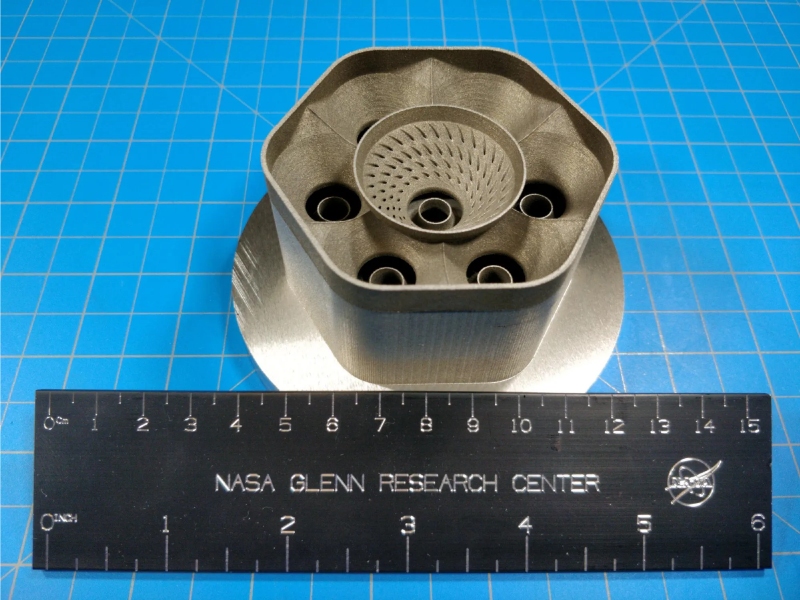
“This turbine engine combustor (fuel-air mixer) was 3D-printed at NASA Glenn and is one example of a challenging component that can benefit from applying the new GRX-810 alloys.”
Source: www.NASA.gov
National Aeronautics and Space Administration

A Breakthrough for Aerospace, Aviation, and Energy

NASA has unveiled a revolutionary high-temperature alloy, GRX-810, designed to withstand the extreme demands of next-generation aerospace and energy systems. Developed using additive manufacturing (3D printing) and a new oxide dispersion technique, GRX-810 offers strength, ductility, and thermal resistance which are characteristics critical for aircraft engines, rocket propulsion systems, and advanced power generation technologies

A Leap Forward in Material Science

Traditional nickel-based superalloys like Inconel 625 and 718 have long powered jet engines, but they struggle under the extreme heat and stress of future aerospace applications. GRX-810 changes the equation:

  • Performs at operating temperatures above 2,000°F (~1,093°C)
  • Offers up to 300% greater creep resistance, extending part life under stress
  • Demonstrates improved oxidation resistance at 1,100°C and 1,200°C
  • Enables lighter, more efficient designs through additive manufacturing

This breakthrough could pave the way for faster, more efficient aircraft, safer space travel, and greater energy efficiency in high-temperature environments.

Role of Metals In The D Block of the Periodic Table

The GRX-810 alloy owes its properties to a carefully balanced composition of several critical D Block metals:

  • Nickel (Ni) the alloy’s foundation, provides high-temperature stability
  • Cobalt (Co) enhances durability and wear resistance
  • Chromium (Cr) delivers essential oxidation protection
  • Niobium (Nb) improves overall toughness
  • Tungsten (W) contributes to high melting points and thermal strength
  • Rhenium (Re) dramatically boosts creep resistance at extreme temperatures

These elements are already essential to the aerospace and energy industries, and the introduction of GRX-810 is expected to drive demand even higher as adoption grows.

Implications Across Key Industries

NASA’s success with GRX-810 signals significant change for multiple sectors:

  • Aerospace & Aviation: Lighter, stronger engine components and extended part lifespans.
  • Energy: Advanced gas turbines and nuclear systems will benefit from improved heat tolerance.
  • Space Exploration: Enables safer, longer-lasting propulsion systems for deep-space missions.
  • Defense: Military aircraft and advanced propulsion technologies gain performance advantages.

With broader adoption, global demand for metals like nickel, cobalt, tungsten, and rhenium could accelerate, influencing supply chains and pricing trends worldwide.

Looking Ahead

GRX-810 represents a major step forward in additive manufacturing and high-temperature material design. Its combination of strength, heat resistance, and efficiency has the potential to reshape the aerospace, aviation, and energy landscapes while also shining a spotlight on the critical importance of many D Block metals in powering next-generation innovation.

More
d block metals publications