Revolutionary Metal Foam
Date
“Composite metal foam (CMF) panel, fixed on the left side, is exposed to blast wave and fragments generated by the explosion of a high explosive incendiary round (HEI), upon the HEI’s initial contact with an aluminum striker plate placed 18 inches away (on the right) from the CMF panel. The test is part of a research project by North Carolina State University and the U.S. Army’s Aviation Applied Technology Directorate to determine the properties of stainless steel CMF and its potential utility in military armor.”
Source: www.NCSU.edu
North Carolina State University
Revolutionary Metal Foam and the Future of Metal Recycling
A new breakthrough in materials science could have ripple effects across the metal recycling industry. Composite Metal Foam (CMF), invented by Dr. Afsaneh Rabiei of NC State University, is proving to be one of the most exciting innovations in metallurgy today.
What is Composite Metal Foam?
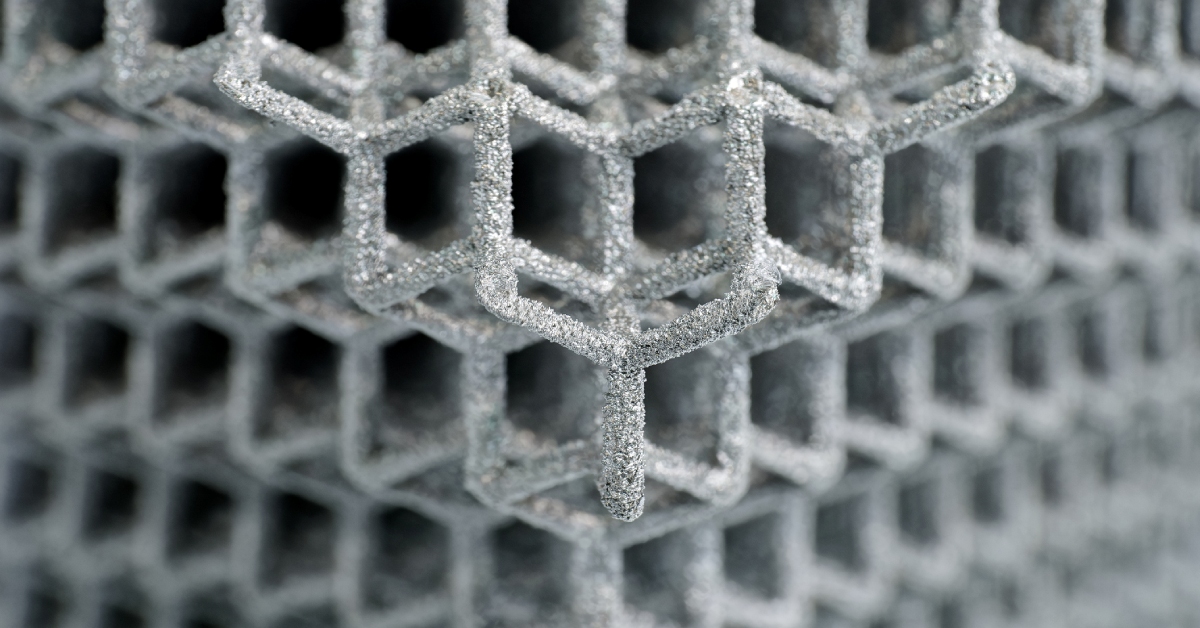
CMF is described as being “as strong as steel yet as lightweight as aluminum.” It’s created by embedding hollow metallic bubbles into a steel alloy containing elements like aluminum or titanium. The result? A material with remarkable strength, lightweight performance, and unique insulating properties.
In testing, CMF armor has demonstrated the ability to stop .50 caliber rounds while weighing half as much as conventional steel. Beyond defense applications, it has shown promise in automotive crash safety, aerospace, energy, and biomedical industries.
Why CMF Matters for Recycling
The introduction of CMF could significantly change the way we think about scrap, reclamation, and reuse. Here’s 3 major impacts on the recycling industry:
Increased Material Value
CMF combines multiple metals into one structure, raising the question of how these alloys can be separated, processed, or repurposed. Scrap containing CMF could carry a premium if the recovery processes are refined.
New Recycling Challenges
The very properties that make CMF strong (hollow metal spheres, multi-metal composition) also make it different from conventional steel or aluminum scrap. Recycling facilities will need new methods for identifying, sorting, and processing CMF efficiently.
Driving Innovation in Metal Recovery
As manufacturers adopt CMF in aerospace, automotive, and defense, recyclers will be challenged to evolve. The demand for specialized recovery techniques could drive the development of new equipment, smarter sorting technologies, and better alloy separation methods.
Sustainability Benefits
CMF’s light weight means vehicles and aircraft require less fuel, which translates into lower emissions. For the recycling sector, this is an opportunity to position recycled CMF and related alloys as a green material stream. By reducing energy consumption in both production and use, CMF aligns with global sustainability initiatives.
Moreover, if recyclers can pioneer efficient CMF reclamation methods, it ensures that this new material doesn’t end up in landfills, but instead continues its lifecycle as part of the circular economy.
Looking Ahead
The arrival of CMF represents more than just a new class of materials. It’s a shift that will require manufacturers, recyclers, and innovators to collaborate on sustainable solutions.
At D Block Metals, we see CMF as both a challenge and an opportunity:
- A challenge, because existing recycling streams aren’t designed to handle this material.
- An opportunity, because pioneering methods of CMF reclamation could position recyclers at the forefront of the next generation of advanced materials.
As industries adopt CMF for its strength, light weight, and insulating properties, recyclers who adapt early will be best positioned to capture its value and drive sustainability.